Serengeti National Park
Tanzania Destinations
Serengeti National Park Essential Guide to Africa’s 1.5 Million-Strong Migration
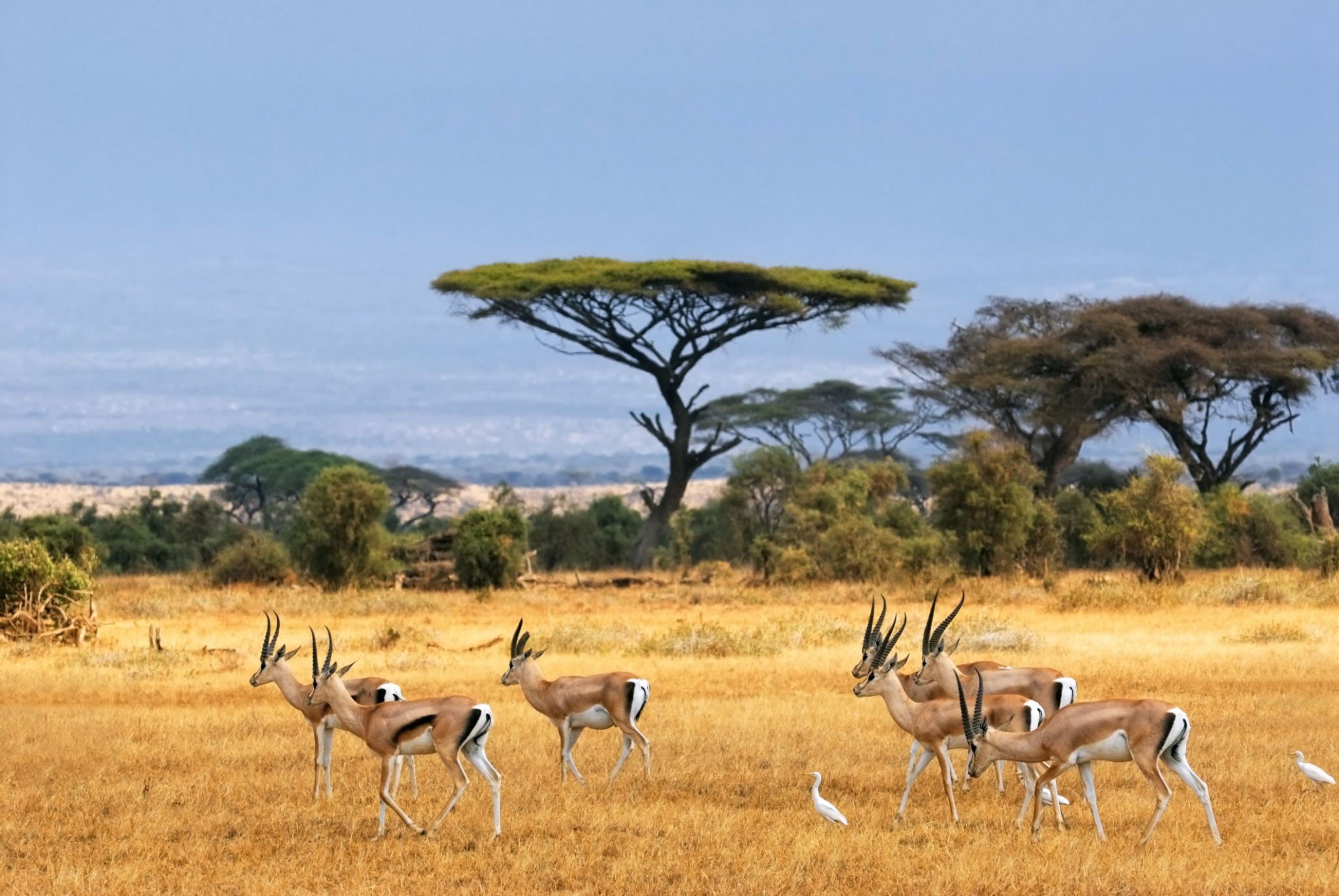
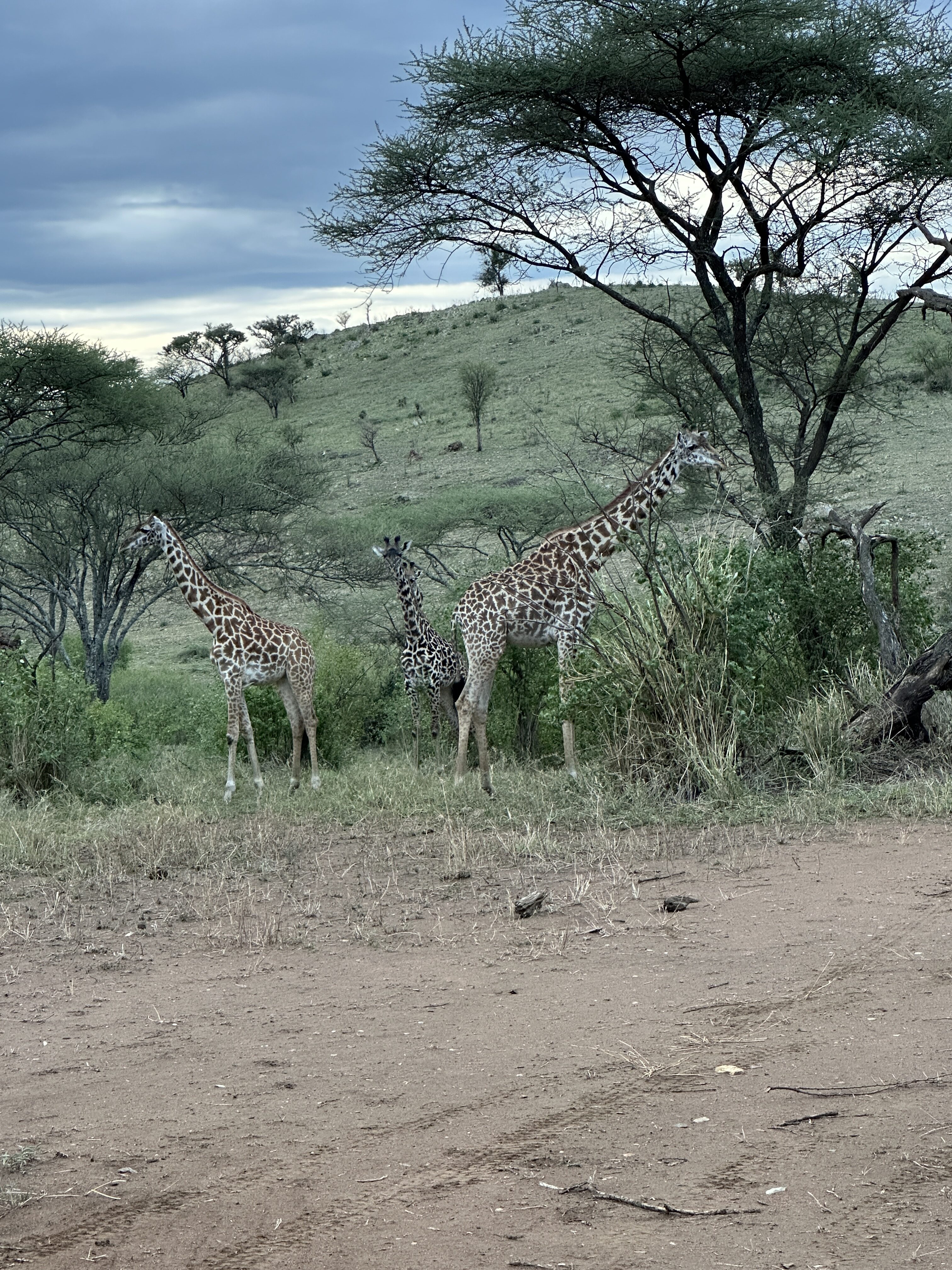
Serengeti National Park stands as Tanzania’s crown jewel, spanning over 14,750 square kilometers of pristine wilderness in northern Tanzania. This UNESCO World Heritage Site is synonymous with the Great Migration, one of the most extraordinary natural spectacles on Earth, where over 1.5 million wildebeest and 200,000 zebras traverse the endless plains in an eternal cycle of life and death. The park’s name derives from the Maasai word siringet, meaning “endless plains,” a phrase that perfectly captures the vast golden grasslands stretching to the horizon.
Season and climate: when to visit
Serengeti National Park experiences two distinct seasons that dramatically influence wildlife viewing.
The dry season (June to October) brings sunny days, cool nights, and concentrated wildlife around water sources, making it the most popular time to visit.
The wet season divides into short rains (November to December) and long rains (March to May), painting the plains green and drawing newborn wildebeest calves during the calving season around February in the southern Serengeti. Each season offers a completely different and equally rewarding experience.
Habitat and ecosystem
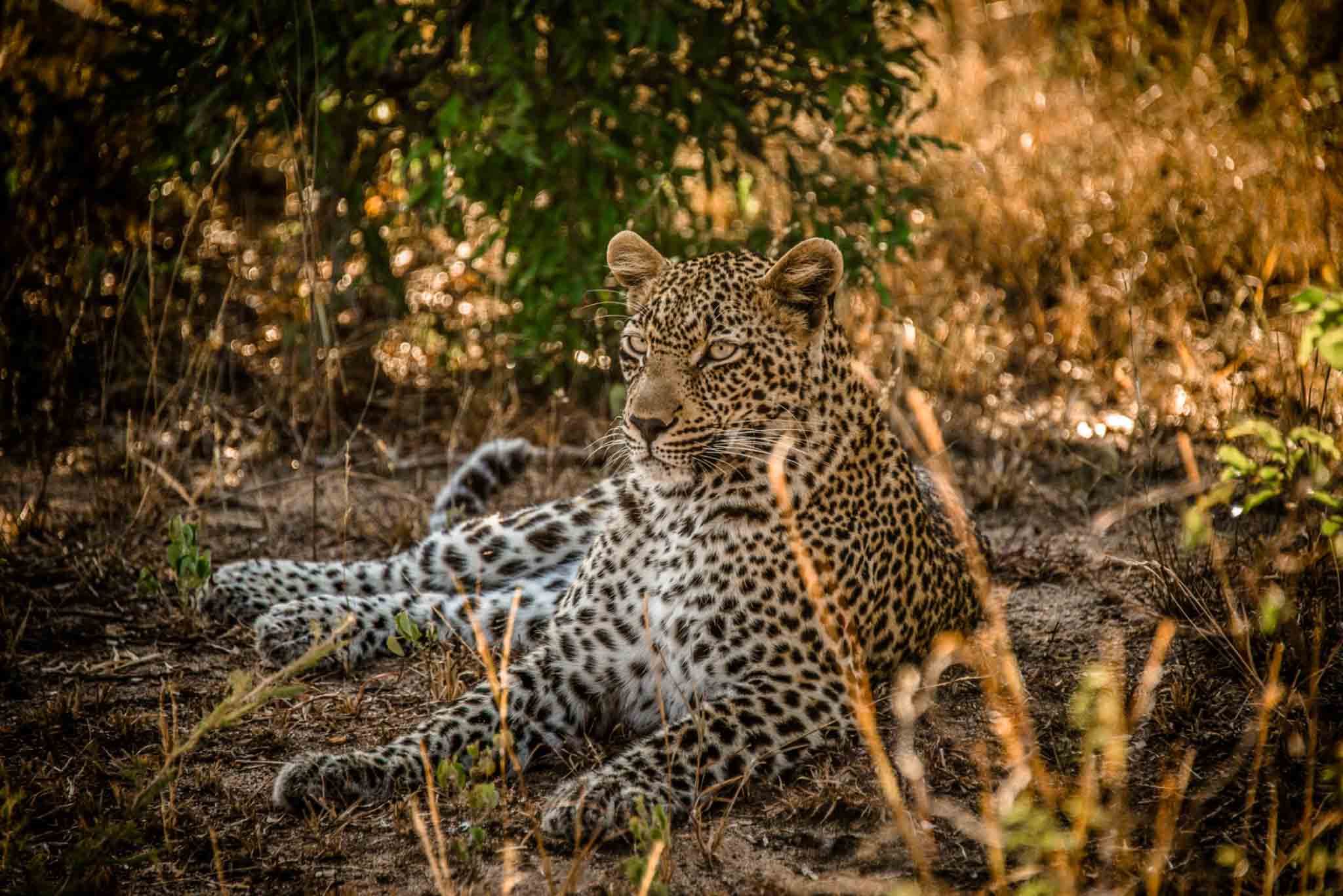
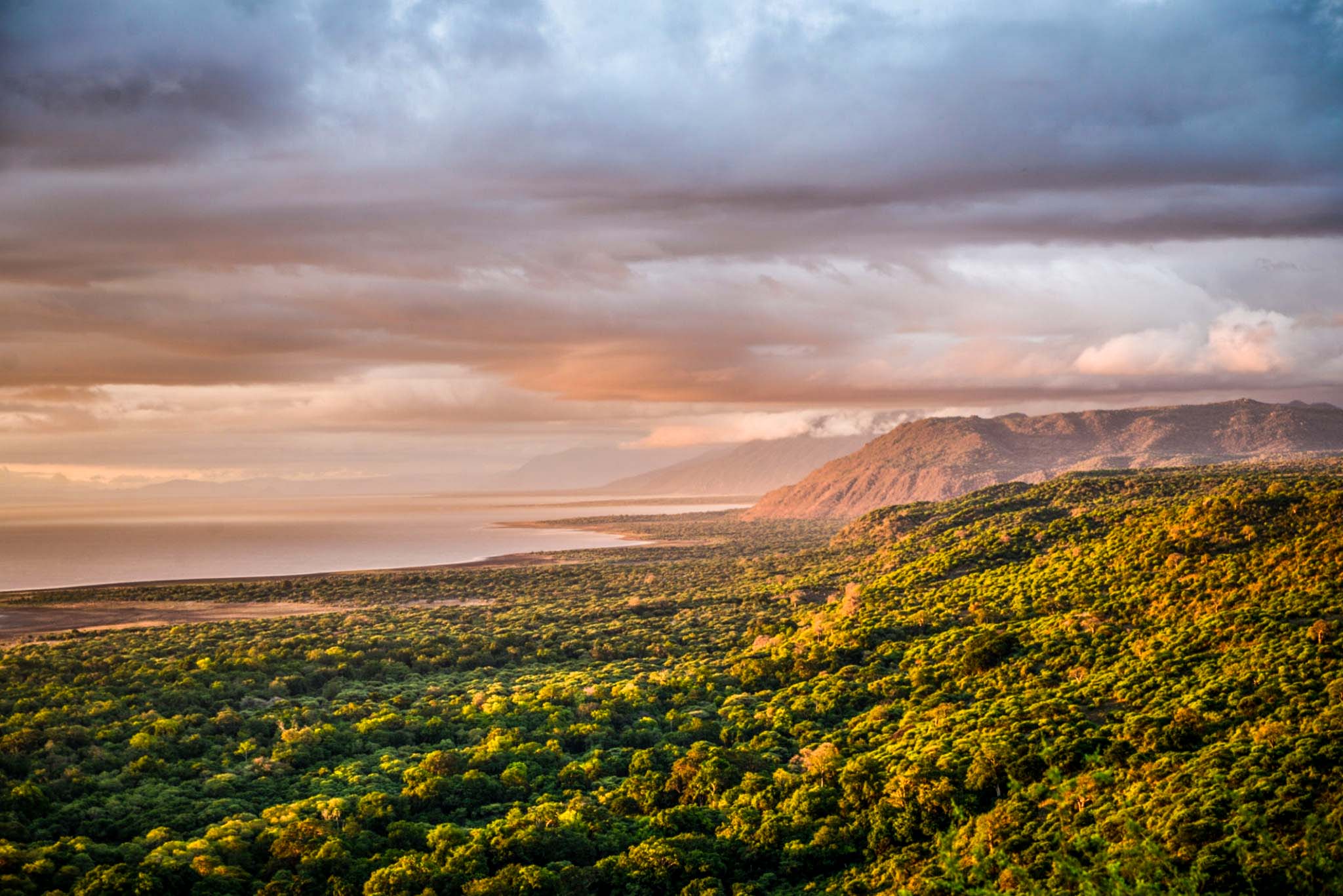
Few parks on the continent match the ecological diversity of Serengeti National Park. The short-grass plains of the south provide ideal conditions for cheetah hunts, while the acacia woodlands and ancient granite kopjes (rocky outcrops) create natural territories for leopards and lions.
The western corridor features the Grumeti River with its resident crocodile population, while the northern reaches border Kenya’s Masai Mara, famous for the dramatic Mara River crossings. Riverine forests, seasonal swamps, and volcanic soils together support an astonishing diversity of flora and fauna found nowhere else on Earth.
The Great Migration in Serengeti National Park
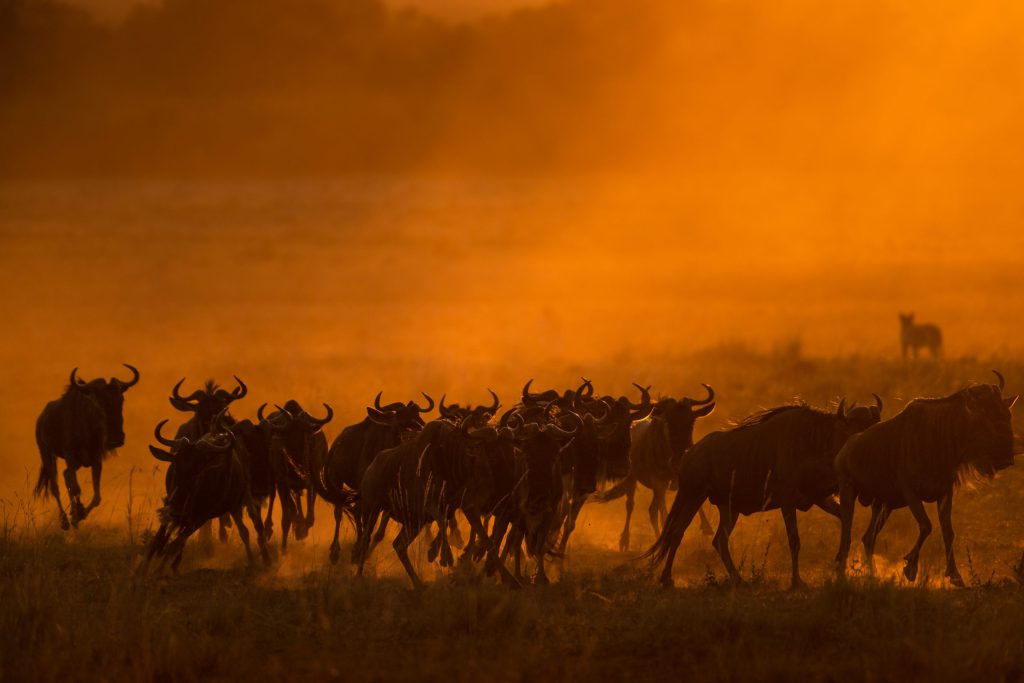
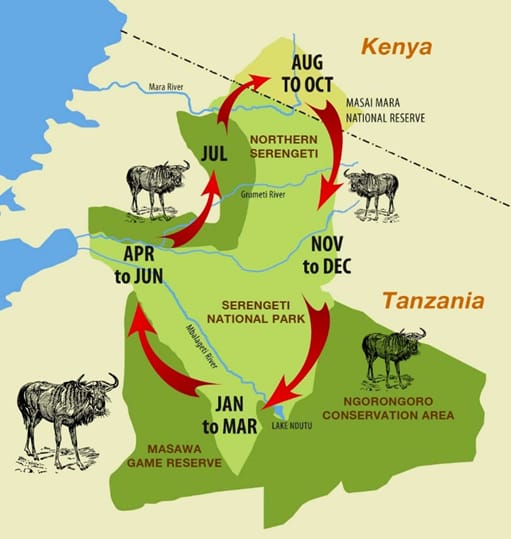
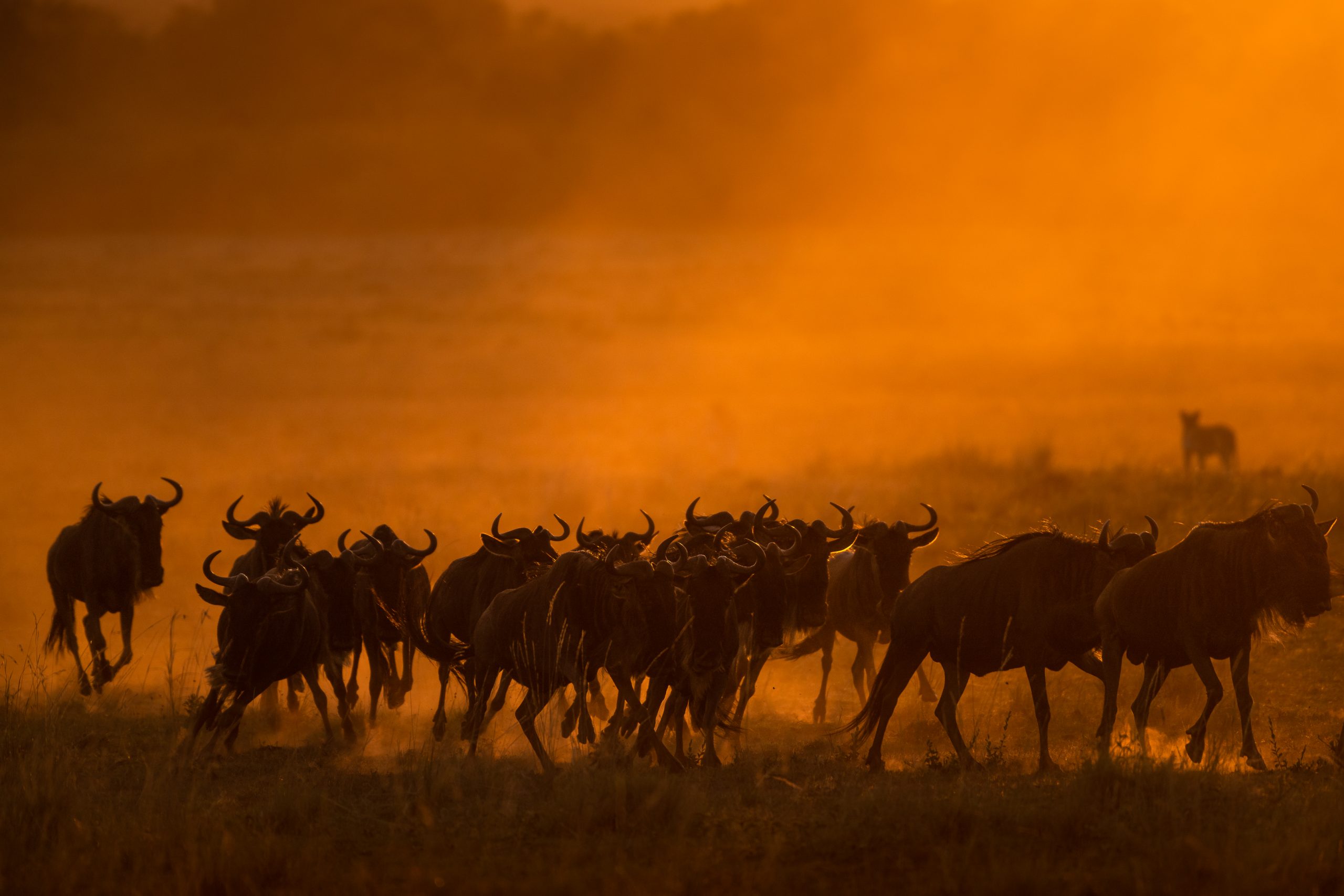
The Great Migration is the defining experience of Serengeti National Park and arguably the world’s greatest wildlife spectacle. The circular journey of over 1.5 million wildebeest follows a clockwise route dictated entirely by rainfall and fresh grass.
From the calving grounds of the southern Serengeti in January and February, the herds sweep northward through the western corridor in May and June. They arrive at the Mara River for the legendary crossings between July and October, before returning south once more.
Witnessing a river crossing, with crocodiles, surging herds, and the raw drama of survival, is a life-defining moment for any traveler. According to UNESCO’s World Heritage listing, the Serengeti ecosystem is considered one of the most biologically diverse areas on the planet.
Safari experiences and game drives
Game drives in Serengeti National Park offer unparalleled wildlife encounters, with morning and evening drives delivering the most active predator sightings.
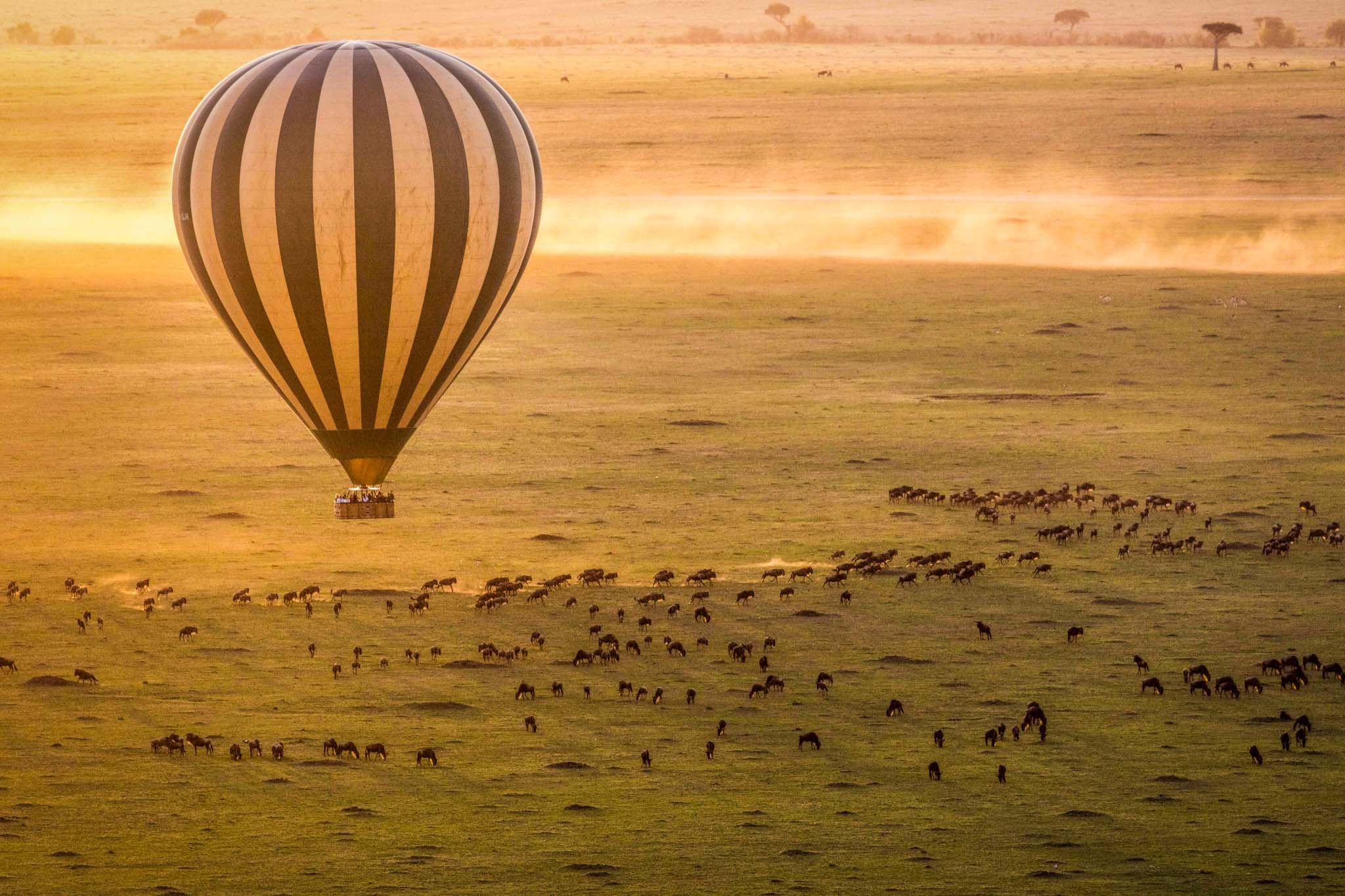
Hot air balloon safaris at sunrise present breathtaking aerial perspectives of migration herds, followed by a traditional champagne breakfast in the bush. Walking safaris in designated zones allow intimate encounters with smaller wildlife and a deeper understanding of tracks, plants, and interconnected ecosystems.
Night drives reveal nocturnal hunters, from serval cats to honey badgers, and fill the darkness with the unmistakable sounds of the African wilderness.
Big Five, wildlife and birds
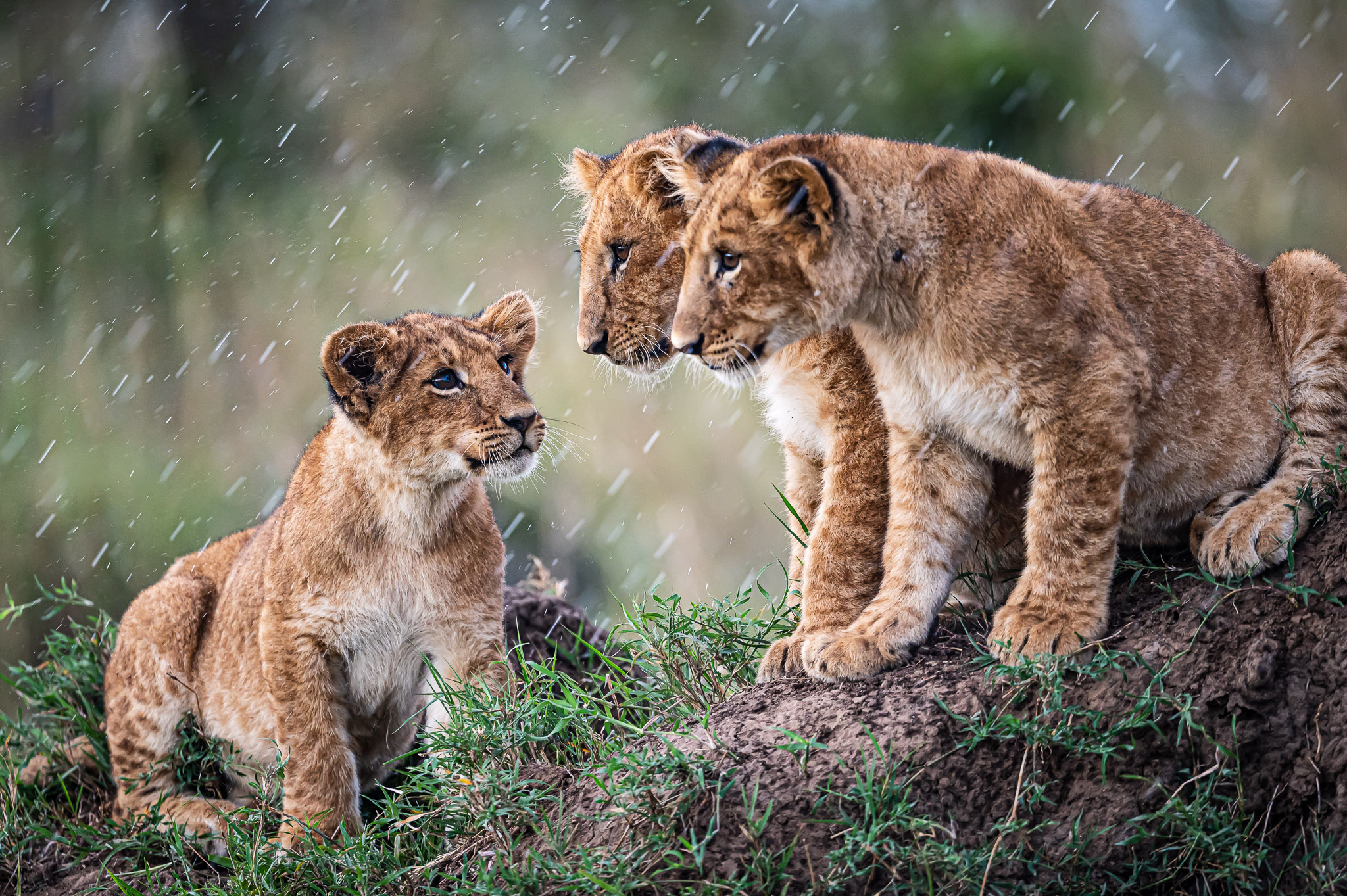
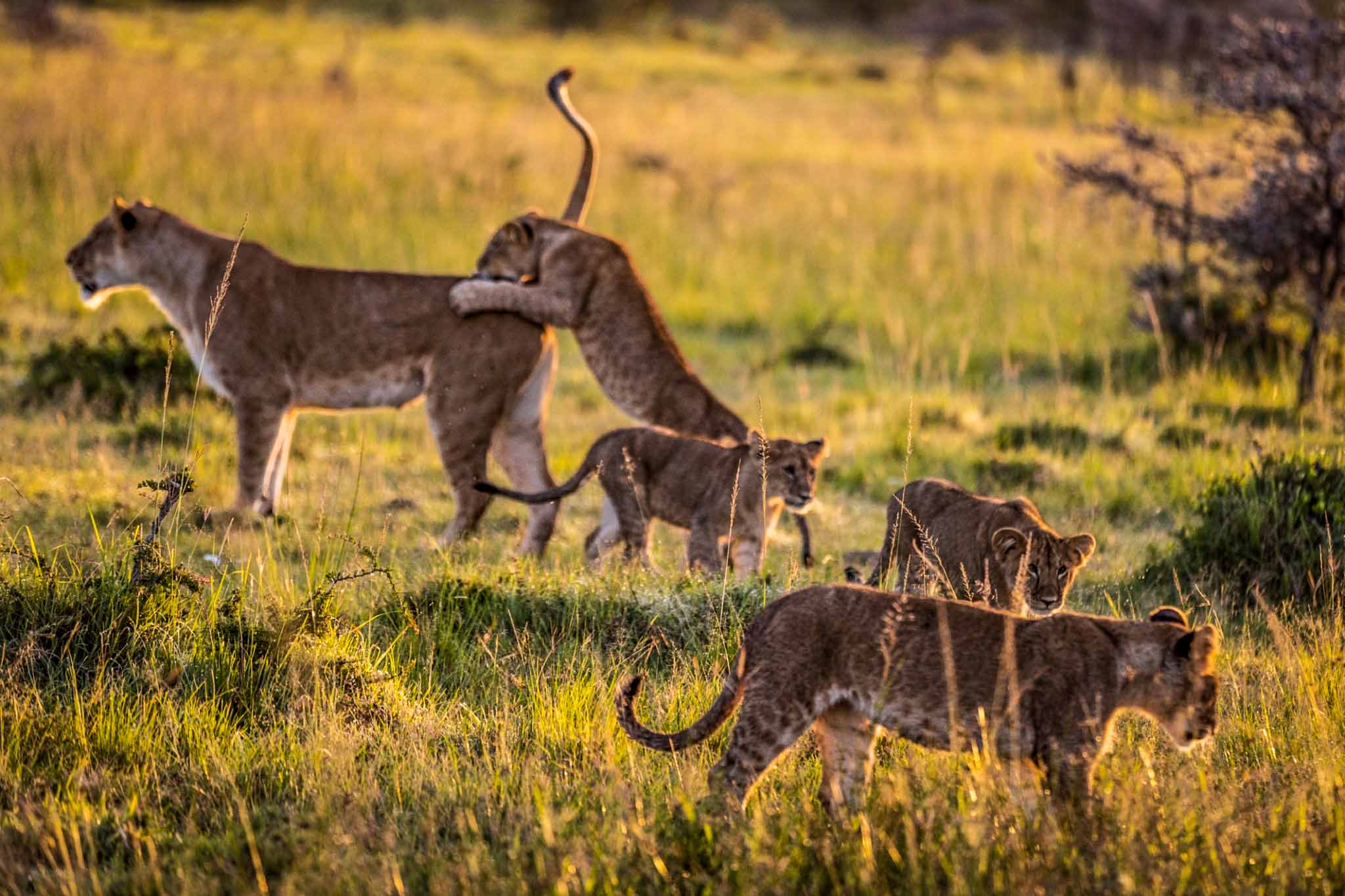
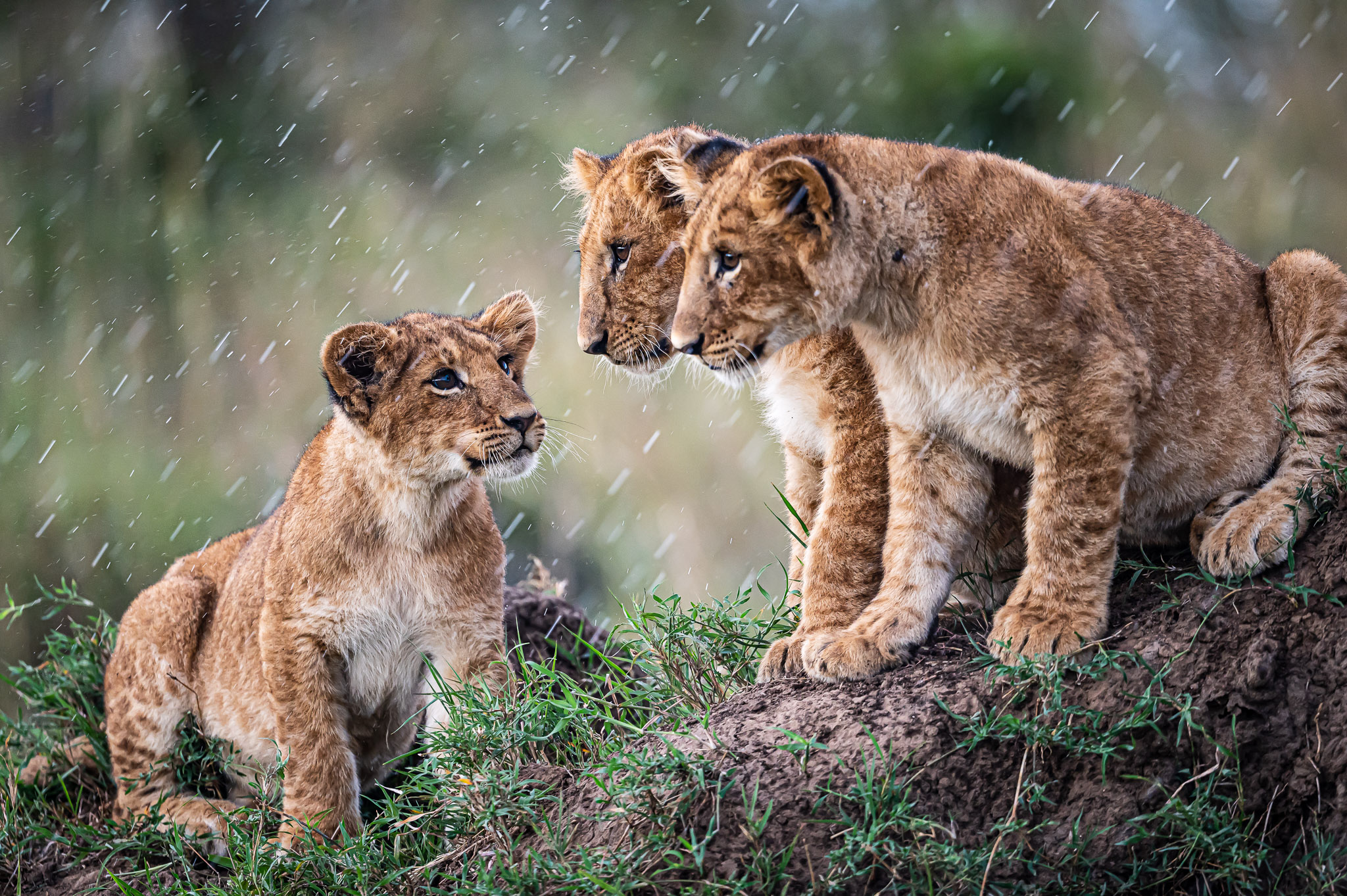
Serengeti National Park hosts impressive populations of all Big Five species. Lions thrive in large prides, particularly around the Seronera valley, with an estimated 3,000 individuals roaming the park.
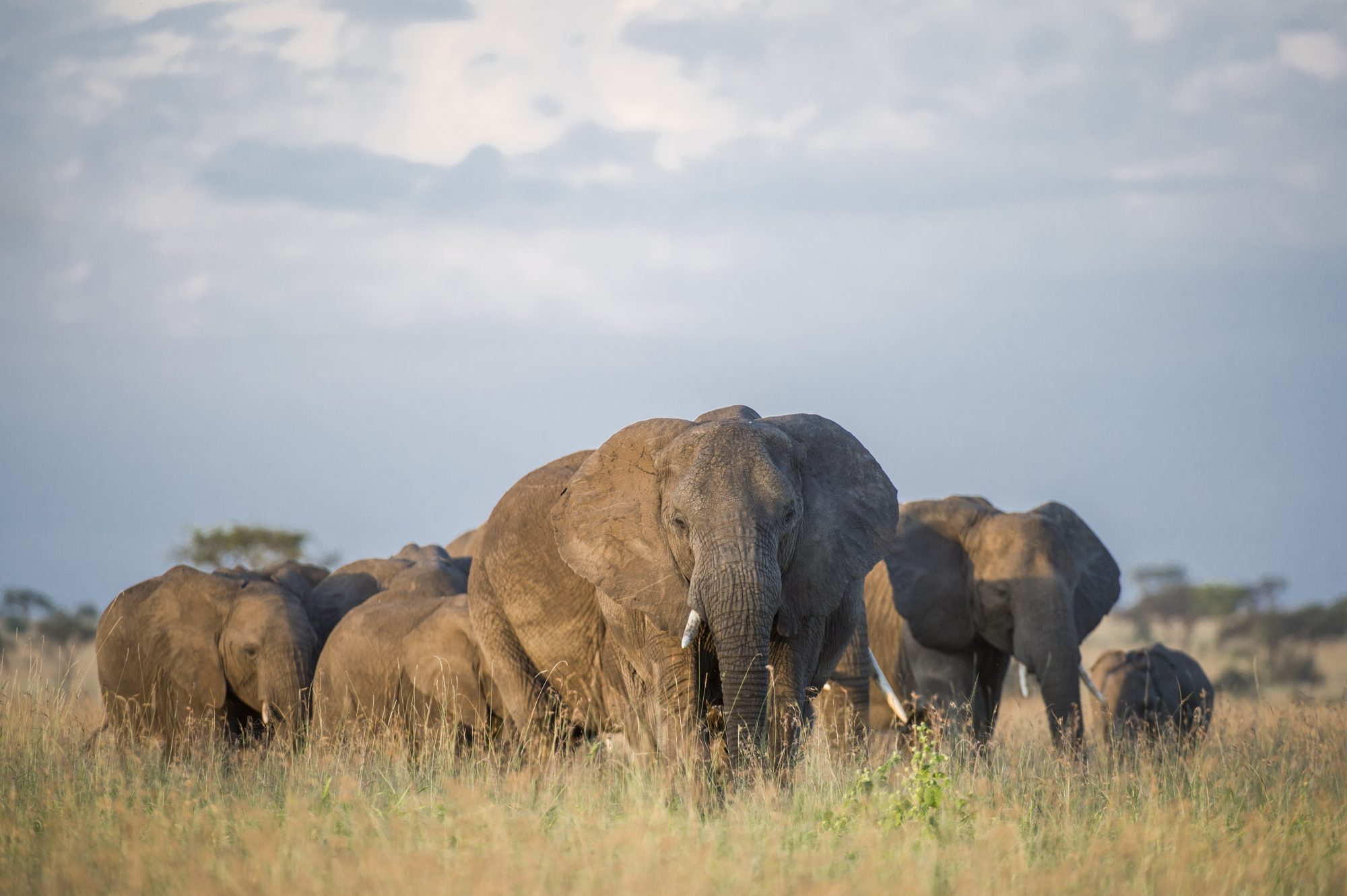
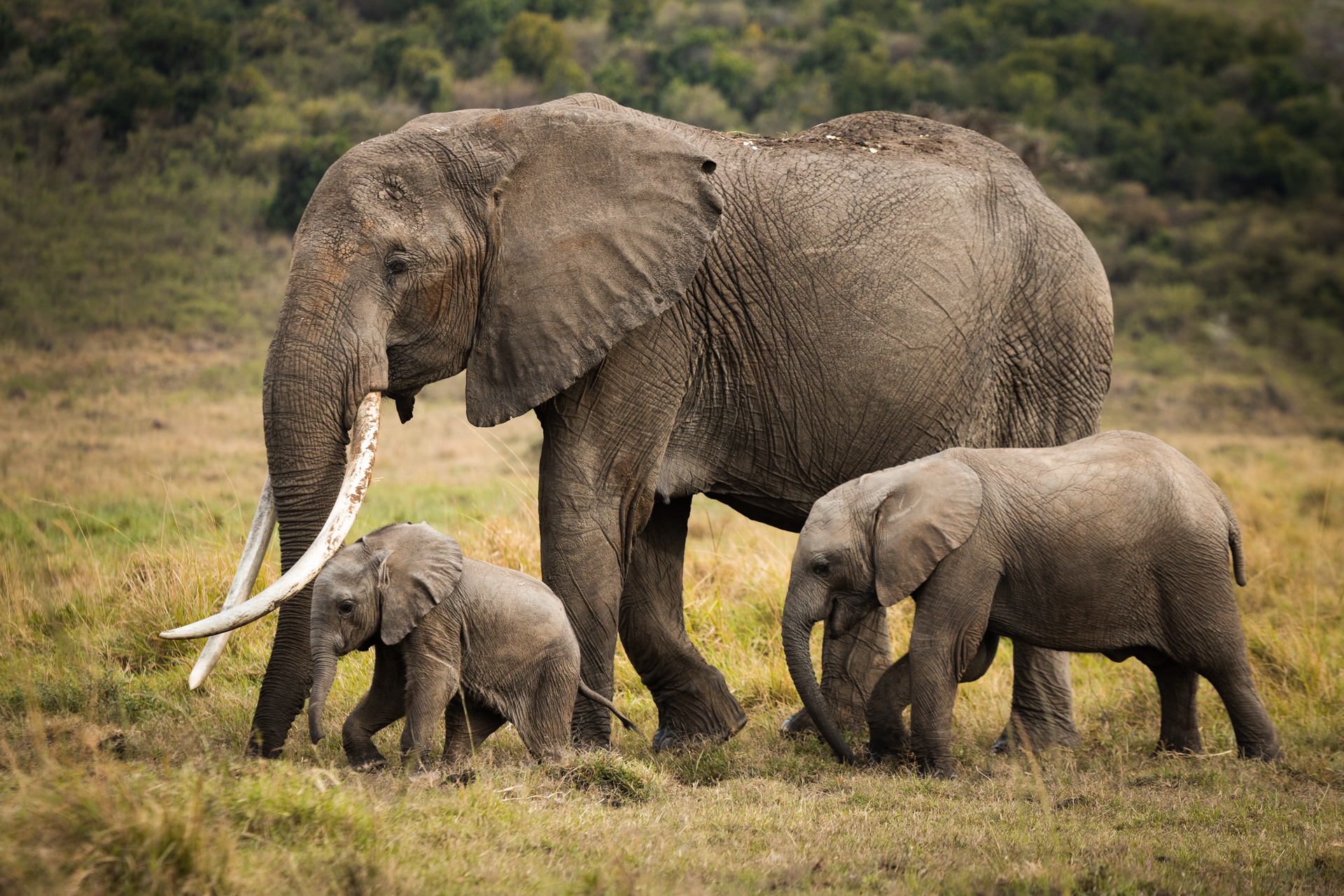
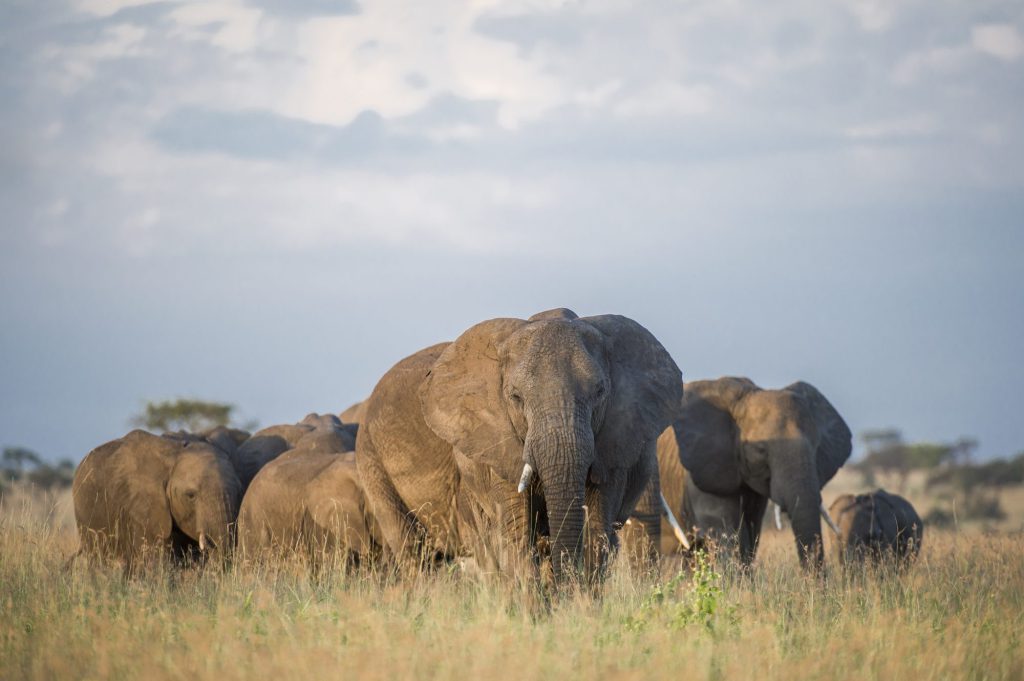
Leopards frequent the kopjes and riverine forests, while both black and white rhinos have been reintroduced through ongoing conservation programmes. Cape buffalo form massive herds across the plains, and elephants roam in close-knit family groups throughout the ecosystem.
Beyond the Big Five, the park supports over 500 bird species, including ostriches, secretary birds, lilac-breasted rollers, and a remarkable variety of raptors that make it a paradise for birdwatchers.
Cultural and historical significance
The Serengeti region has been inhabited by pastoral communities for thousands of years. The Maasai people maintain vibrant traditional lifestyles on the park’s periphery, adding rich cultural context to any visit.
Nearby Olduvai Gorge, often called the “Cradle of Mankind,” contains archaeological evidence of some of humanity’s earliest ancestors, connecting the Serengeti to the deepest chapters of human history. The park’s formal establishment in 1951 marked a pivotal milestone in African conservation, balancing world-class wildlife protection with meaningful support for local communities.
Accommodation and Accessibility in Serengeti National Park
Serengeti National Park offers diverse accommodation to suit every style of traveler, from iconic luxury lodges like the Four Seasons Safari Lodge Serengeti to intimate mobile tented camps that track the migration seasonally. Budget travelers can also find comfortable permanent camps with authentic bush experiences. Seronera airstrip provides convenient air access from Arusha and Kilimanjaro International Airport, while road transfers from Arusha take approximately six to eight hours through the Ngorongoro Conservation Area, a scenic journey in its own right. The park’s well-maintained game drive circuits, strategically placed ranger posts, and knowledgeable guides ensure exceptional safety and outstanding wildlife encounters throughout your stay.
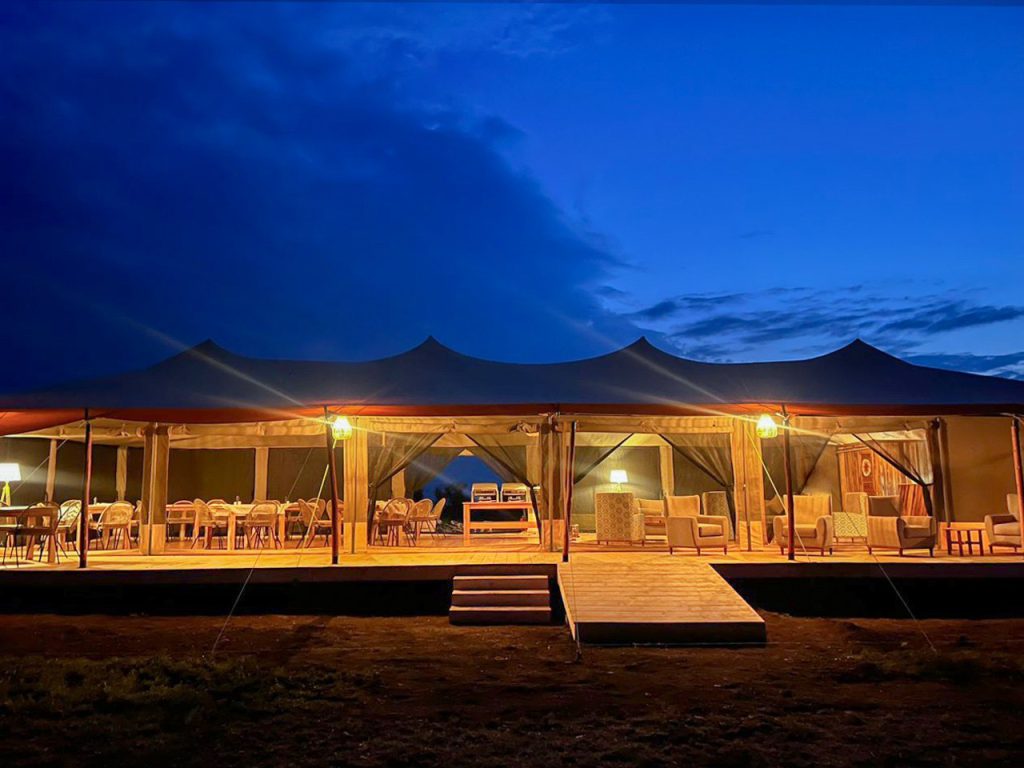
Table of Contents
A Journey Made for you
Discover packages that feel just right for you—designed to turn this destination into a magical escape for you and the one you love

Visit others Tanzania Destinations
Planning a Tanzania safari trip represents one of the most rewarding travel experiences available to modern adventurers. This East African nation offers an unparalleled combination of wildlife diversity, pristine wilderness areas, and cultural authenticity that sets it apart from other safari destinations.