Best Zanzibar Beaches Guide: 7 Incredible Spots You Must Visit
Our Journals
Overview
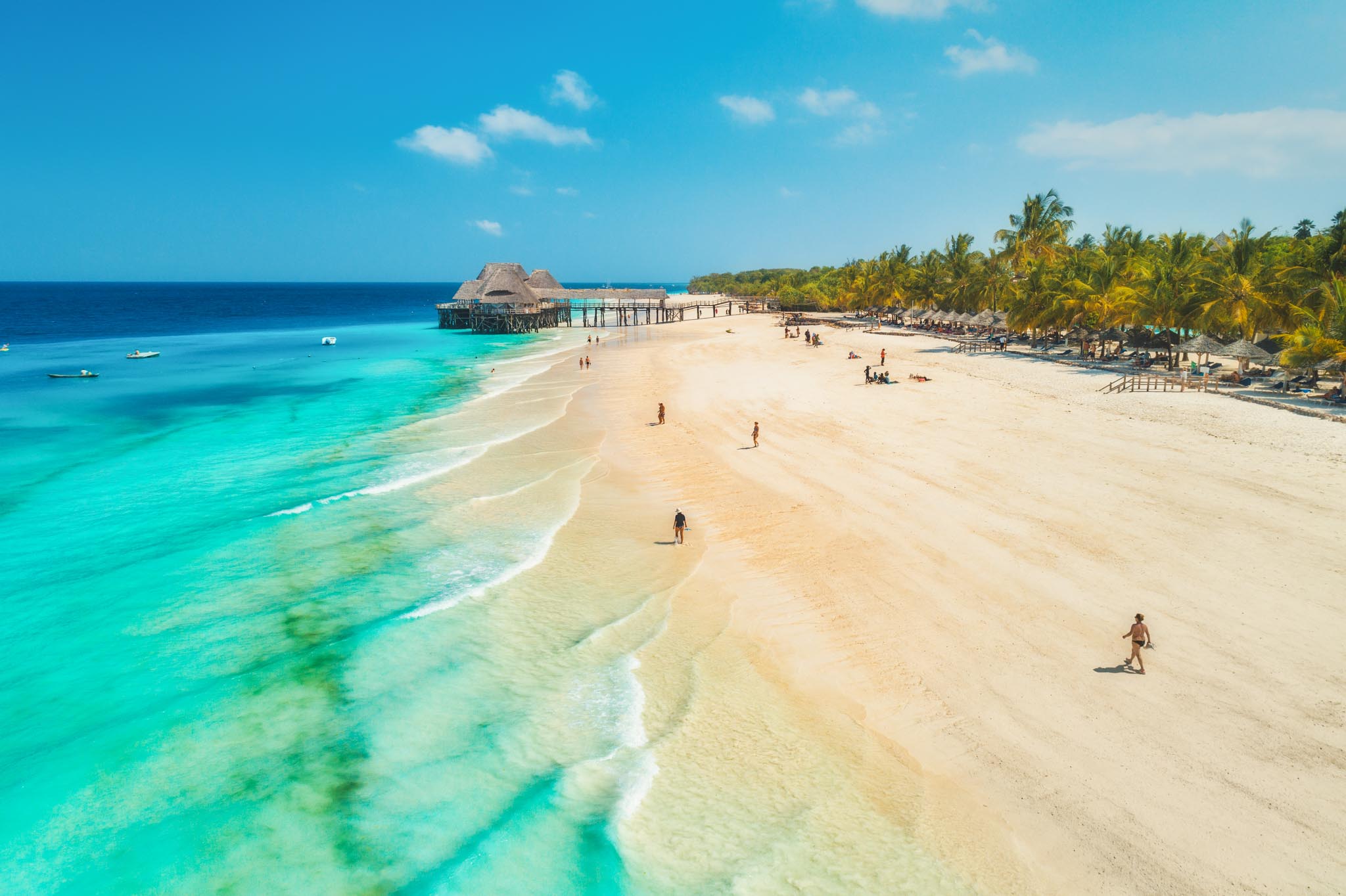
Zanzibar beaches represent the perfect complement to a mainland Tanzania safari, offering pristine white sand, crystal-clear turquoise waters, and a rich cultural heritage that together create one of the Indian Ocean’s most treasured tropical destinations.
This enchanting archipelago sits off Tanzania’s coast and combines breathtaking natural beauty with centuries of history shaped by Arab, Persian, Indian, and European influences. Whether you are seeking pure relaxation, underwater adventure, or cultural immersion, Zanzibar island delivers all of it in one extraordinary place.
What makes beaches in Zanzibar truly special is the contrast they offer. Within a single trip, you can explore a UNESCO World Heritage city, drift above coral reefs teeming with marine life, walk through spice plantations fragrant with cloves and cinnamon, and still be back on the sand in time for a legendary Indian Ocean sunset.
Top beaches to visit in Zanzibar
The diversity of Zanzibar beaches means there is a perfect stretch of sand for every type of traveler.
Nungwi Beach, on the northern tip of the island, is one of the most popular for good reason. Minimal tidal variations mean you can swim at any time of day, and the vibrant sunset views here are among the best on the island.
Kendwa Beach, just south of Nungwi, offers a more relaxed pace with laid-back beach bars and regular cultural performances that bring local traditions to life after dark.
On the eastern coast, Paje and Jambiani attract a different crowd entirely. These beaches are world-renowned for kitesurfing and windsurfing, with consistent trade winds and shallow lagoons ideal for both beginners and seasoned riders. Between sessions, authentic fishing village life unfolds all around you, offering genuine glimpses into everyday Zanzibari culture.
Marine life and diving
The waters surrounding Zanzibar island rank among the Indian Ocean’s finest for snorkeling and diving. Coral reefs support an extraordinary diversity of marine life, including colorful tropical fish, sea turtles, dolphins, and occasional whale shark encounters that leave visitors speechless.
Mnemba Atoll, accessible from the northeastern coast, is widely regarded as one of East Africa’s premier dive sites. Pristine coral formations and dense fish populations make every descent unforgettable, whether you are a first-time snorkeler or a seasoned diver.
Professional dive operators across Zanzibar beaches provide equipment, training, and guided experiences for all skill levels. Conservation-focused operators also run marine education programmes that highlight the importance of protecting these fragile reef ecosystems for future generations.
Stone Town and cultural experiences
No visit to beaches in Zanzibar is complete without time in Stone Town, the island’s historic capital and a UNESCO World Heritage Site. Its labyrinthine alleyways, carved wooden doors, and bustling markets tell the story of a city shaped by centuries of Indian Ocean trade.
Arab merchant houses stand alongside Indian trader storefronts and colonial-era buildings, creating an architectural tapestry found nowhere else in East Africa. The food scene is equally layered, with Forodhani Gardens night market offering a feast of Zanzibari street food under the stars.
Guided walking tours reveal the deeper, sometimes difficult history of the spice trade and slavery that shaped modern Zanzibar, adding meaningful context to what you see on the streets and in the museums. For more on Tanzania’s rich cultural diversity, visit our Tanzania cultural guide.
Spice tours and local heritage
Zanzibar earned its nickname the “Spice Island” through centuries of cultivating cloves, cinnamon, cardamom, vanilla, and black pepper that made it one of the most strategically important ports in the Indian Ocean world.
Spice farm tours remain one of the island’s most popular half-day excursions. You will walk through lush plantations, handle raw spices straight from the tree, learn about their culinary and medicinal uses, and finish with a feast of Zanzibari food cooked with the very spices you have just discovered.
These tours pair beautifully with a morning or afternoon on Zanzibar beaches, making them an easy addition to any itinerary without taking up a full day.
Water sports and activities
Active travelers will find no shortage of adventure around Zanzibar island. The eastern coast’s consistent trade winds create world-class kitesurfing and windsurfing conditions, with several reputable schools offering lessons for all levels.
zanzibar-beaches
Beyond wind sports, the island offers deep-sea fishing for marlin, tuna, and sailfish in the open waters beyond the reef. Sailing, kayaking, and stand-up paddleboarding are available in the calm, protected lagoons that fringe many of the western beaches.
For something gentler, glass-bottom boat trips offer a window into the reef without getting wet, making them a great option for families and non-swimmers who still want to experience the marine world beneath Zanzibar’s turquoise surface.
Sunsets and evening experiences
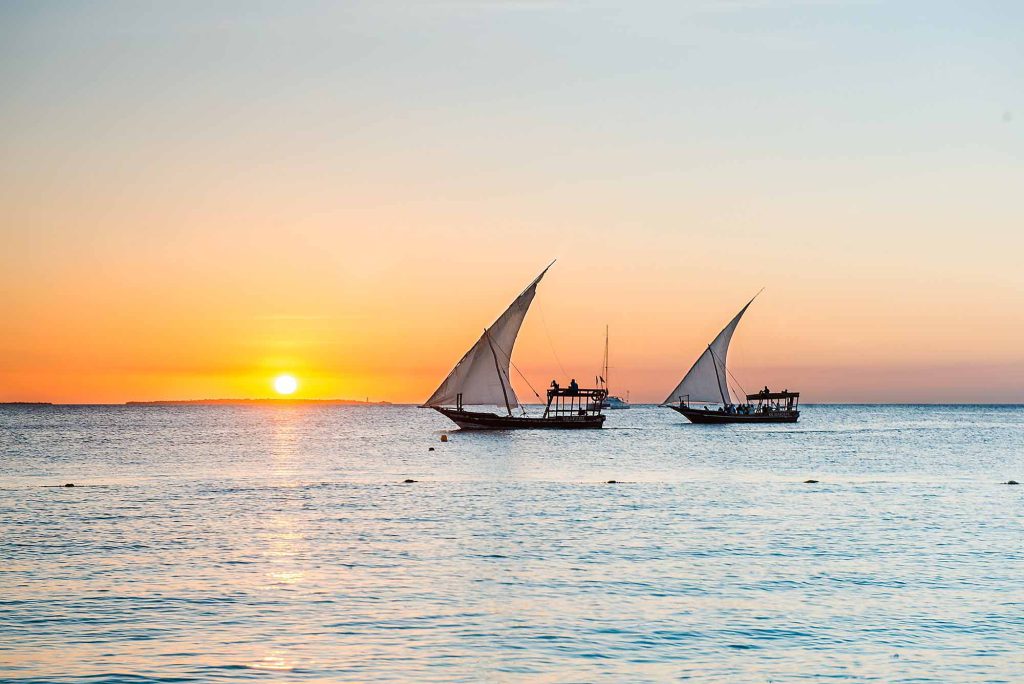
Zanzibar beaches are famous for their sunsets, and the evening ritual of watching the sky turn gold and pink over the Indian Ocean is one of the island’s most cherished experiences.
Traditional dhow sailing trips at dusk offer a uniquely romantic way to experience the coastline, drifting past fishing villages and reef edges as the sun drops toward the horizon. Fresh seafood, tropical cocktails, and live taarab music complete many evenings at beachside restaurants scattered along the coast.
Whether you choose a quiet sundowner on your resort terrace or a lively beach barbecue under the stars, evenings on Zanzibar island have a magic that is genuinely hard to leave behind.
Accommodation and how to get there
Accommodation near Zanzibar beaches ranges from world-class luxury resorts with private beach access to intimate boutique hotels, eco-lodges, and budget-friendly guesthouses that make the island accessible to all types of traveler.
Many properties are built using local coral stone and timber in styles that reflect the island’s architectural heritage, blending seamlessly with their surroundings while offering modern comforts. Eco-conscious properties emphasize sustainable practices including reef-safe products, locally sourced food, and community employment programmes.
Zanzibar is easily reached by a short flight from Dar es Salaam or Kilimanjaro International Airport, with journey times of under an hour. It is most commonly visited as a beach extension after a northern Tanzania safari circuit, combining the Serengeti and Ngorongoro Crater with five to seven nights on the island for the perfect Tanzania experience.
 04/07/2025