Best Mount Kilimanjaro Climbing Guide: 7 Incredible Routes to the Summit
Our Journals
Overview
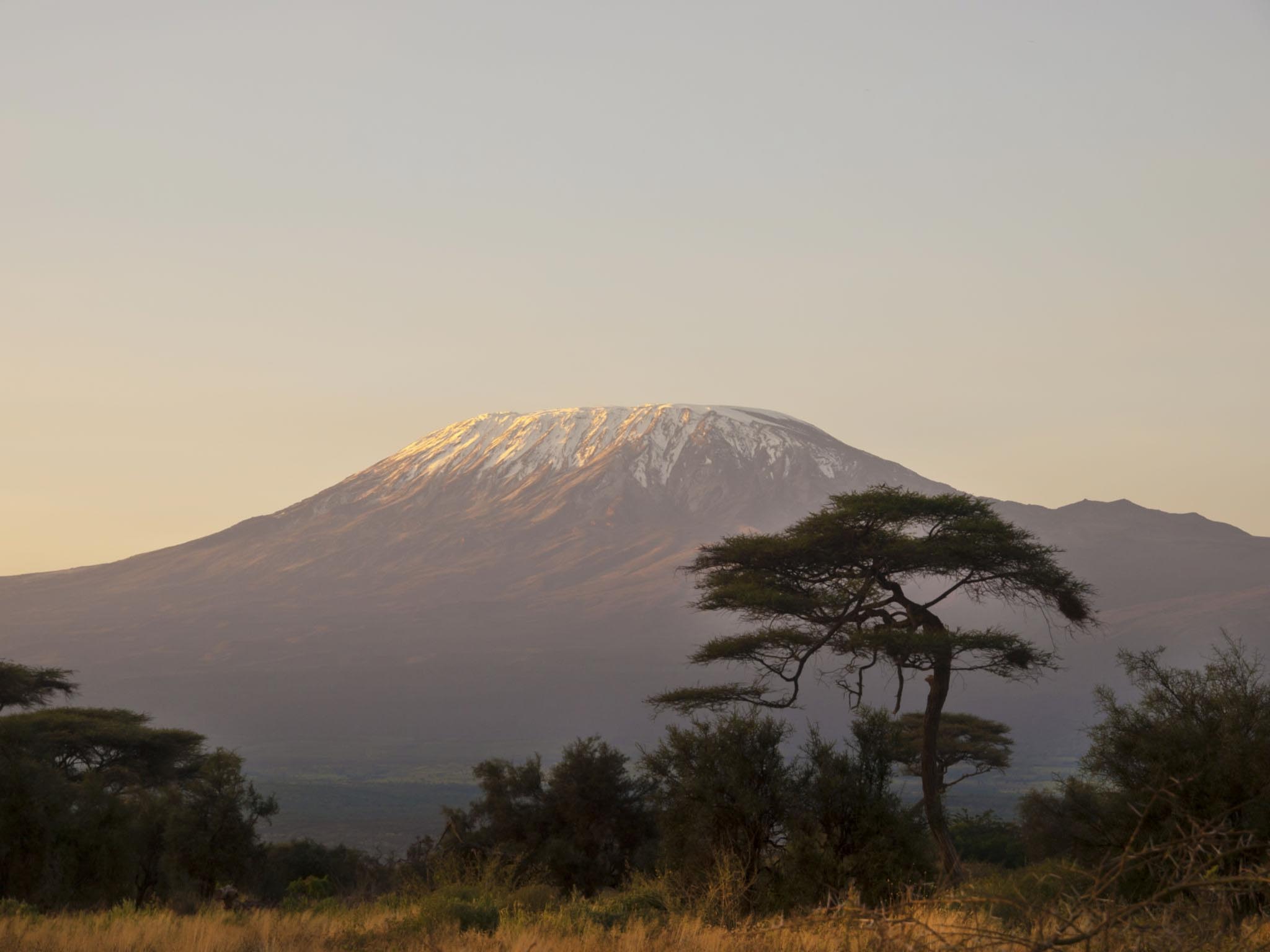
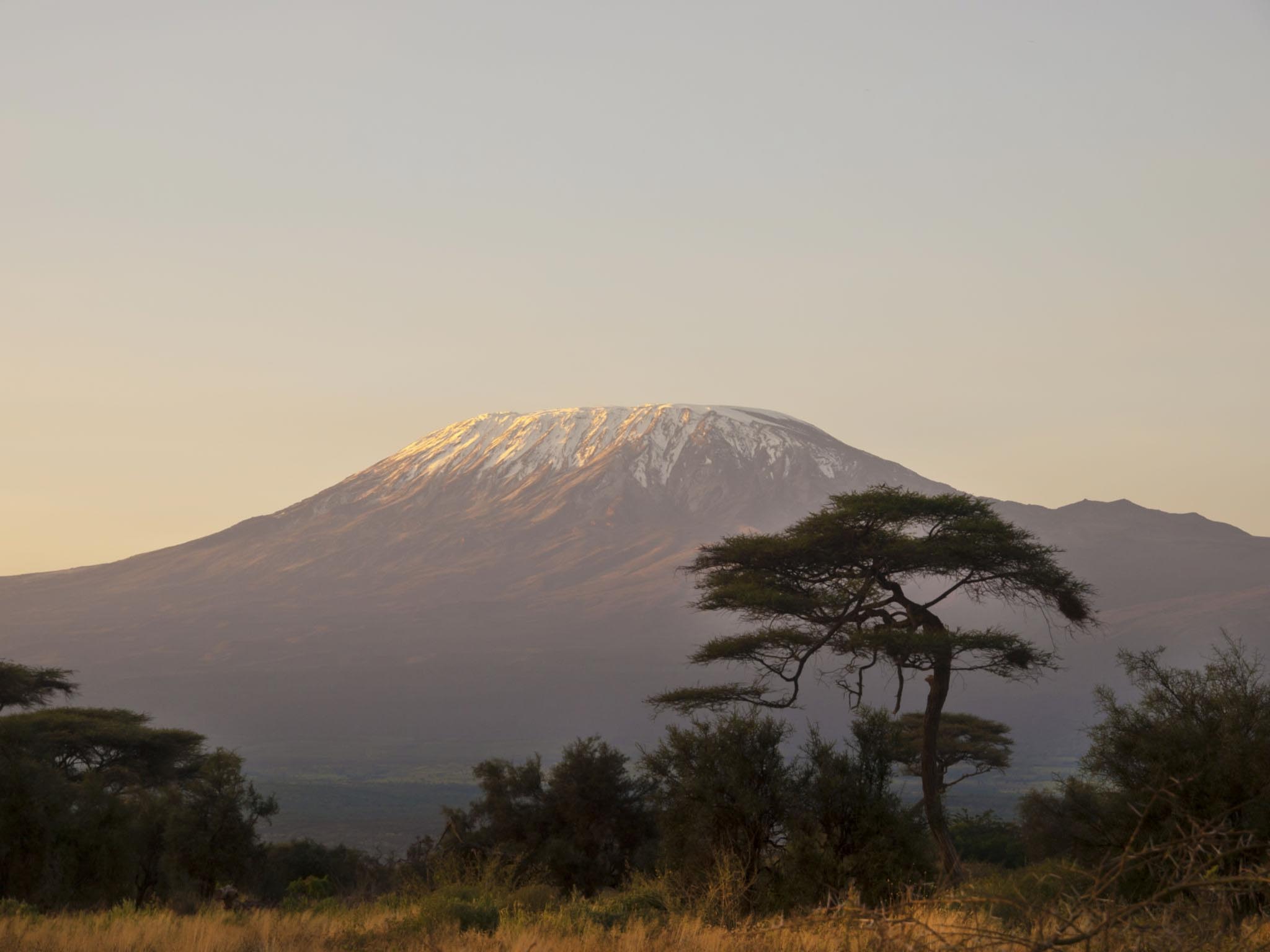
Mount Kilimanjaro is Africa’s highest peak and one of the world’s most iconic bucket-list adventures, drawing tens of thousands of climbers every year who come to conquer its legendary summit. Rising 5,895 meters above sea level on the Tanzanian plains, it is the tallest freestanding mountain on Earth.
What makes Kilimanjaro climbing so compelling is its accessibility. No technical mountaineering skills are required, yet the challenge of altitude, distance, and mental endurance makes reaching the summit a deeply personal and unforgettable achievement for those who attempt it.
Its location near the equator creates a remarkable journey through five distinct climate zones, from tropical rainforest at the base to permanent arctic ice at the crater rim, all within a single climb. Careful preparation, the right route, and experienced guides are the keys to reaching the top safely.
Geology and climate zones
Mount Kilimanjaro is a stratovolcano made up of three distinct volcanic cones: Kibo, Mawenzi, and Shira. Uhuru Peak, perched on the rim of Kibo’s crater, is the highest point on the African continent and the ultimate goal for most climbers.
The mountain’s volcanic origins have carved out spectacular rock formations, ancient crater features, and glacial remnants that make the scenery as dramatic as the climb itself.
Elevation drives everything on Kilimanjaro. As you ascend, you pass through cultivated farmland, dense montane forest, open moorland, a surreal alpine desert, and finally the glaciated summit zone. Each zone requires different clothing, pacing, and mindset, making the climb feel like multiple expeditions rolled into one extraordinary journey.
Routes to the summit of Mount Kilimanjaro
Choosing the right route is one of the most important decisions any climber will make. Each path offers a different experience in terms of scenery, duration, solitude, and summit success rate.
The Machame Route, known as the “Whiskey Route,” is the most popular choice for good reason. Its gradual acclimatization profile, spectacular scenery across multiple ecosystems, and strong summit success rates make it the recommended option for most first-time climbers.
The Marangu Route, nicknamed the “Coca-Cola Route,” is the only path offering hut accommodation instead of tenting. However, its direct ascent profile allows less time to acclimatize, resulting in lower overall success rates despite its reputation as the easiest route.
The Lemosho and Rongai routes appeal to those seeking greater solitude and unique perspectives of the mountain. Both require additional days on the mountain, which actually improves acclimatization and increases the chances of a successful summit.
Physical preparation and training
Successfully climbing Kilimanjaro requires months of dedicated preparation. The climb itself demands sustained cardiovascular endurance, strong legs, and above all, mental resilience across multiple consecutive days at altitude.
Effective training includes regular long-distance hiking with a weighted pack, stair climbing, running, and cycling to build the aerobic base needed for days of continuous uphill walking. Strength training focused on legs and core supports stability on uneven terrain.
Mental preparation is equally important and often underestimated. Summit night on Kilimanjaro is long, cold, and demanding. Climbers who have mentally rehearsed the discomfort of altitude and fatigue tend to push through to Uhuru Peak far more successfully than those who have only focused on physical fitness.
Altitude acclimatization
Acclimatization is the single most critical factor in Kilimanjaro climbing success. The mountain’s height creates physiological challenges that affect every climber regardless of fitness level, as the body needs time to adapt to decreasing oxygen levels at altitude.
All established routes follow the core principle of “climb high, sleep low,” building in acclimatization days that allow the body to adjust before pushing higher. Longer routes simply provide more of this critical adaptation time, which is why they consistently produce better summit success rates.
Experienced guides monitor climbers closely for signs of altitude sickness, including headaches, nausea, dizziness, and loss of appetite. Recognizing early symptoms and communicating openly with your guide are essential habits that can mean the difference between a safe summit and a dangerous situation.
Mount Kilimanjaro climb
Gear and equipment
Kilimanjaro climbing demands careful gear selection across multiple climate zones. The layering system is non-negotiable: moisture-wicking base layers, warm insulating mid-layers, and a fully waterproof and windproof outer shell that can handle the brutal conditions of summit night.
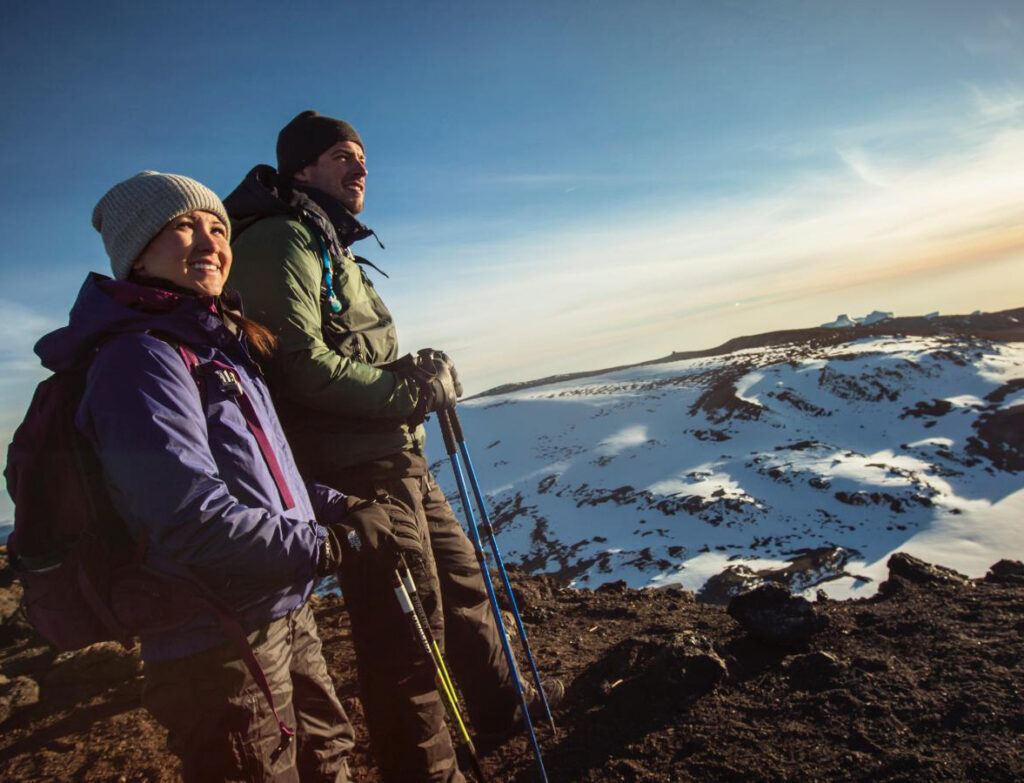
Footwear deserves special attention. Well-broken-in, waterproof hiking boots with warm socks prevent blisters and cold injuries that end more summit attempts than altitude does. Trekking poles reduce strain on knees during the long descents and provide stability on loose scree.
Porters carry the bulk of your equipment between camps, but your summit day pack must contain everything needed for 12 to 16 hours on the mountain: water, snacks, spare layers, a headlamp, sun protection, and personal medication including altitude sickness tablets if prescribed.
Climb Kilimanjaro: The Best Guide to 7 Incredible Summit Routes
Planning to climb Kilimanjaro is one of the most rewarding decisions an adventure traveler can make. Unlike many high-altitude peaks, Kilimanjaro requires no ropes, ice axes, or technical climbing experience — just determination, the right preparation, and a willingness to embrace the slow and steady pace that gives your body time to adapt. With the right operator and itinerary, climbers of all fitness backgrounds have successfully stood on the roof of Africa.
Best Kilimanjaro Routes Guide: 7 Incredible Paths to the Summit
Understanding Kilimanjaro routes before you book is essential, as the path you choose will shape your entire experience from start to finish. Factors to consider include the number of days available, your preferred level of solitude, whether you want hut or tent accommodation, and how much priority you place on summit success rate over scenery. Speaking with an experienced guide who knows each route in all seasons is the most reliable way to match the right trail to your personal goals and fitness level.
Cultural significance and local communities
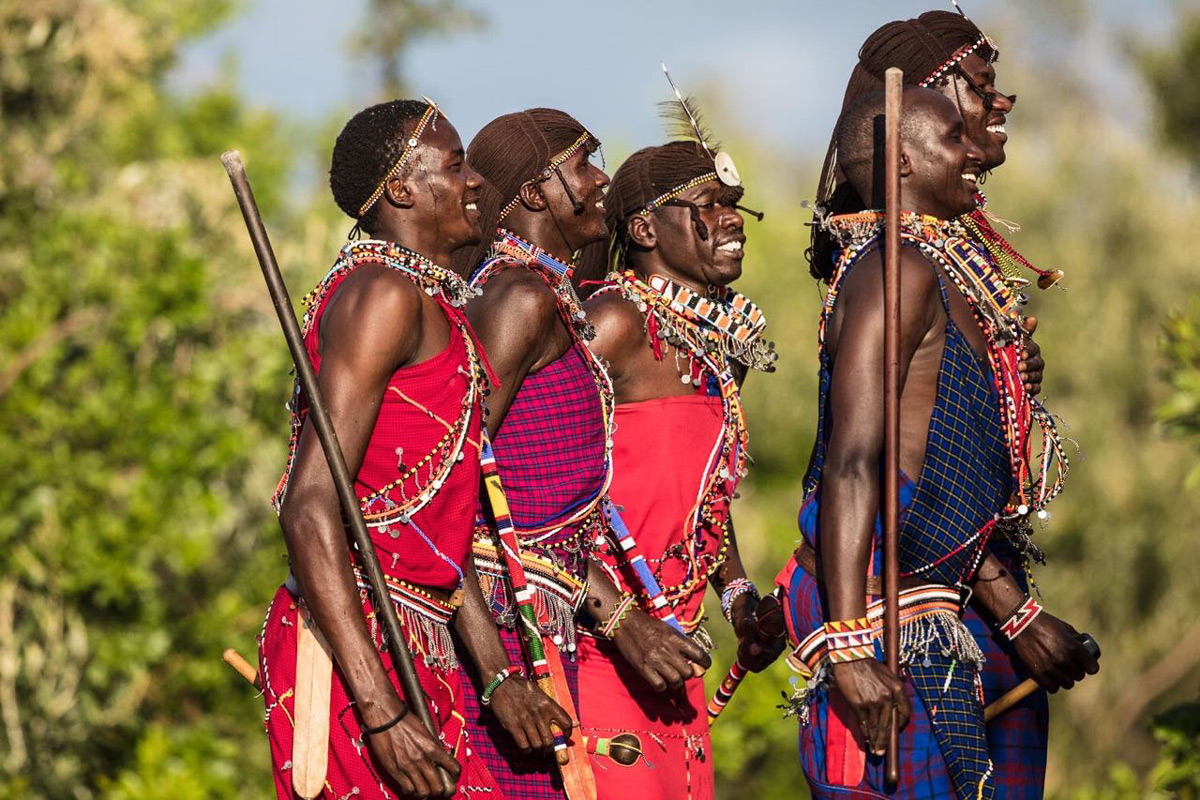
The Chagga people have lived on the slopes of Kilimanjaro for generations, developing sophisticated irrigation systems, coffee farming traditions, and a deep cultural relationship with the mountain that long predates modern climbing tourism.
Cultural village visits on rest days offer a fascinating window into Chagga traditions, local coffee cultivation, and sustainable mountain farming practices. These experiences add meaningful depth to a Kilimanjaro climbing trip beyond the physical achievement of the summit. For a broader perspective on Tanzania’s cultural heritage, explore our Tanzania cultural diversity guide.
Conservation and responsible climbing
Mount Kilimanjaro’s glaciers have retreated dramatically over the past century, and climate change continues to alter the mountain’s ecosystems in ways that are visible to every climber who reaches the summit. The ice fields that once defined the crater rim are shrinking year by year.
Responsible climbing operators follow Tanzania National Parks regulations and Leave No Trace principles, ensuring that waste is carried off the mountain and that fragile vegetation zones are protected. Choosing a certified, ethical operator is one of the most important decisions a climber can make.
Supporting community-based guides, porters, and local businesses ensures that Kilimanjaro climbing contributes directly to the livelihoods of the families who call this extraordinary mountain home.
 04/07/2025